
Category: Talks
-
Talk at GNAM
“Un modo altro di essere al mondo. Carla Accardi e il femminismo”.
10 aprile 2024.
Giornata di studio a cura di Paola Bonani, Lara Conte, Laura Iamurri, Daniela Lancioni, organizzata in occasione della mostra monografica “Carla Accardi” a Palazzo delle Esposizioni.
Di seguito intervento scritto di Suzanne Santoro richiestole da Daniela Lancioni.
CARLA ACCARDI
di Suzanne Santoro
Il mio rapporto con Carla Accardi e Carla Lonzi fin dal 1971, anche fuori dai gruppi di autocoscienza di Rivolta Femminile, fu molto intenso. Ci vedevamo spesso in varie occasioni sia a Roma che a Milano e in tutte le altre città dove ci riunivamo con le altre appartenenti al gruppo di Rivolta Femminile.
Penso ancora a quei tempi e alla rottura tra le due e alla fine di Rivolta Femminile a Roma. È ancora molto doloroso per me.
Vedevo molto spesso Carla Accardi anche perché abitavamo vicine. La vedevo col pennello in mano mentre dipingeva, mentre cucinava, perfino quando ricamava i bordi dei lenzuoli di lino. Le sue mani si notavano per l’eleganza e l’abilità e per lo smalto rosso che indossava sempre.
Anni dopo sono diventata una Art Therapist della prima infanzia occupandomi dell’Atelier grafico pittorico dell’istituto dove lavoravo. Ho visto bambini anche di un anno che appena impugnato uno strumento da disegno o un pennello, con un impulso che usciva dal corpo dal braccio alla mano, disegnavano sulla carta. Carla Lonzi non amava l’abilità manuale e lo so perché fu lei stessa a dirmelo. Per la Lonzi, affinché si potesse ripartire, era necessario fare tabula rasa in tutte quelle aree di cui si occupavano le donne del Femminismo. Per la Lonzi tutte le occupazioni, professioni e il pensiero stesso erano in prestito dalla cultura maschile.
La cosa interessante è che noi artiste di Rivolta Femminile continuavamo a dipingere tranquillamente. Per la Lonzi la donna doveva abbandonare tutte le forme creative per trovarne altre nuove e diverse.
Io in verità credo che una donna artista abbia bisogno di chiedersi perché fa l’artista. Insomma, parafrasando Virginia Woolf: facciamo la fila dietro agli uomini finché non arriva il nostro turno?
Lavorando io stessa con il disegno, lo definirei come un gesto di impulso ed organico molto arcaico e impresso nell’essere umano fin dagli inizi dei tempi.
È ancora un linguaggio necessario al processo cognitivo che tutti i bambini sperimentano e che ha ormai perso la sua importanza. Il segno sovrastato dal verbale e dallo scritto lascia l’arte indietro come un simbolo interpretabile solo con una grande conoscenza. Così è stato un linguaggio lasciato ai pochi privilegiati e agli sfortunati che si imbarazzano perché incapaci di capirlo. A me sembra una grande perdita.
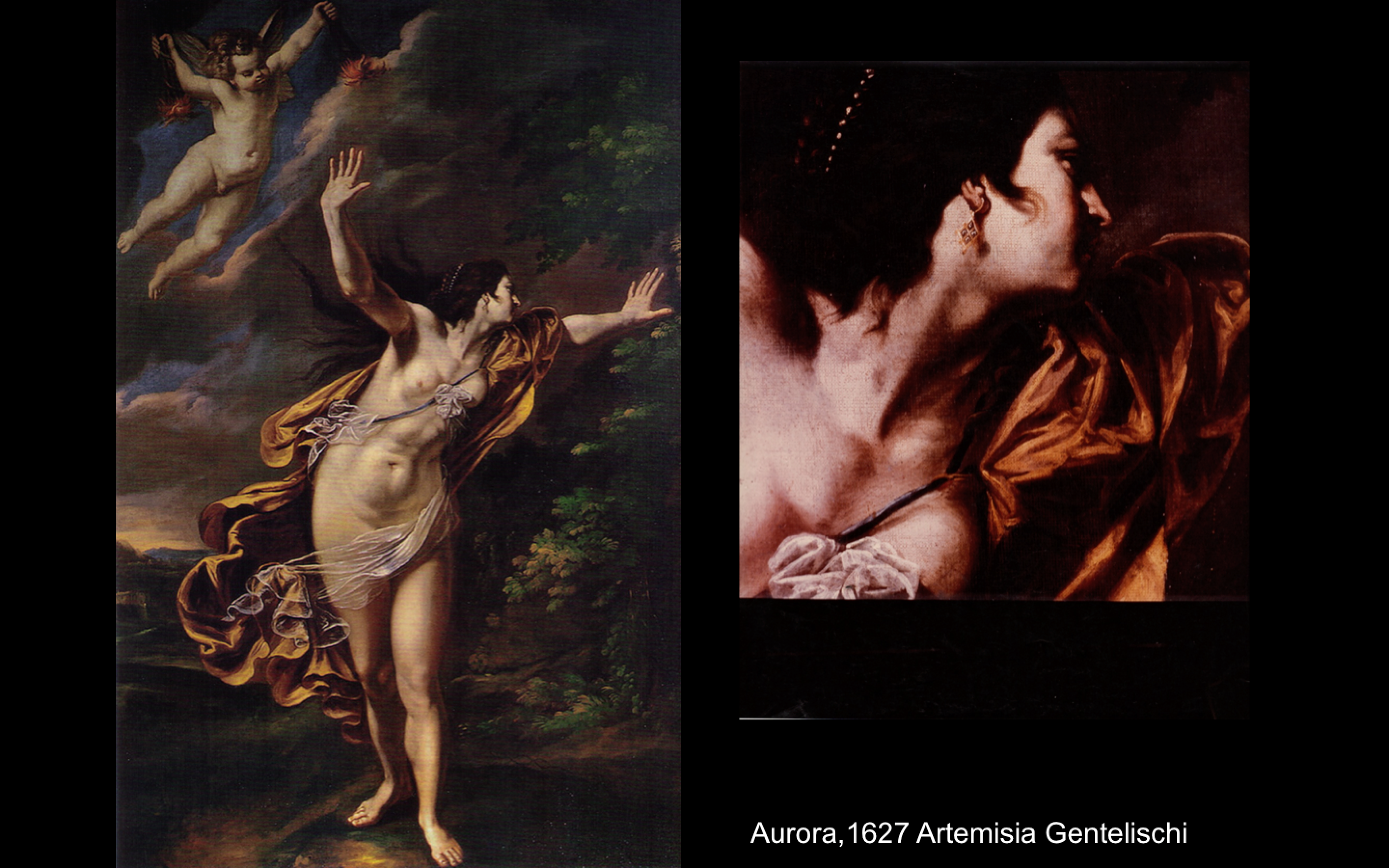
Carla Accardi con La Cooperativa di Beato Angelico (1976), assieme a me e le altre donne partecipanti, artiste e non, ha sempre appoggiato e continuerà ad appoggiare le donne artiste del passato e del presente. Aprimmo la prima mostra della Cooperativa con Artemisia Gentileschi di Eva Menzio e così continuammo alternando una donna artista del presente a una del passato.
Al Palazzo degli Esposizioni, alla mostra dedicata a Carla Accardi c’era la stessa
mostra presentata alla Cooperativa del 1976 con delle foto del passato dedicate a lei stessa e alle sue antenate femminili.
Per Carla Accardi questo rappresentava il suo saluto al Femminismo ed è stata la su
-
RAFFAELLO SANZIO E LE MA/DONNE
TRE MUSE / PROGETTO ASSOCIAZIONE ERINNA
Venerdì 11 Febbraio 2022 ore 16:00
Viterbo – Talk with Suzanne Santoro, Valentina Bruno, Anna Maghi

-
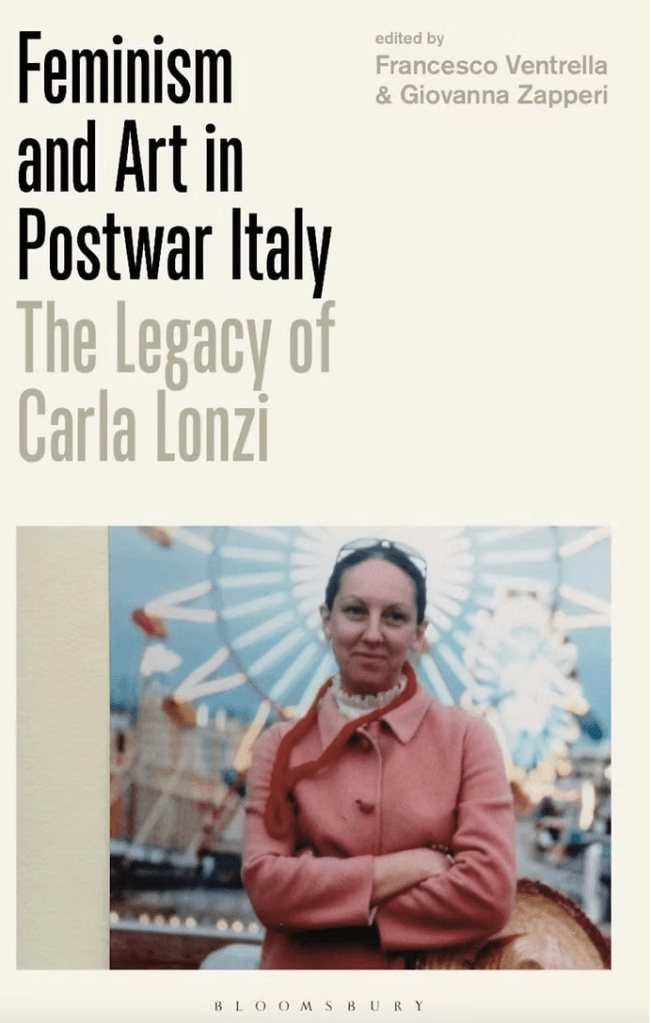
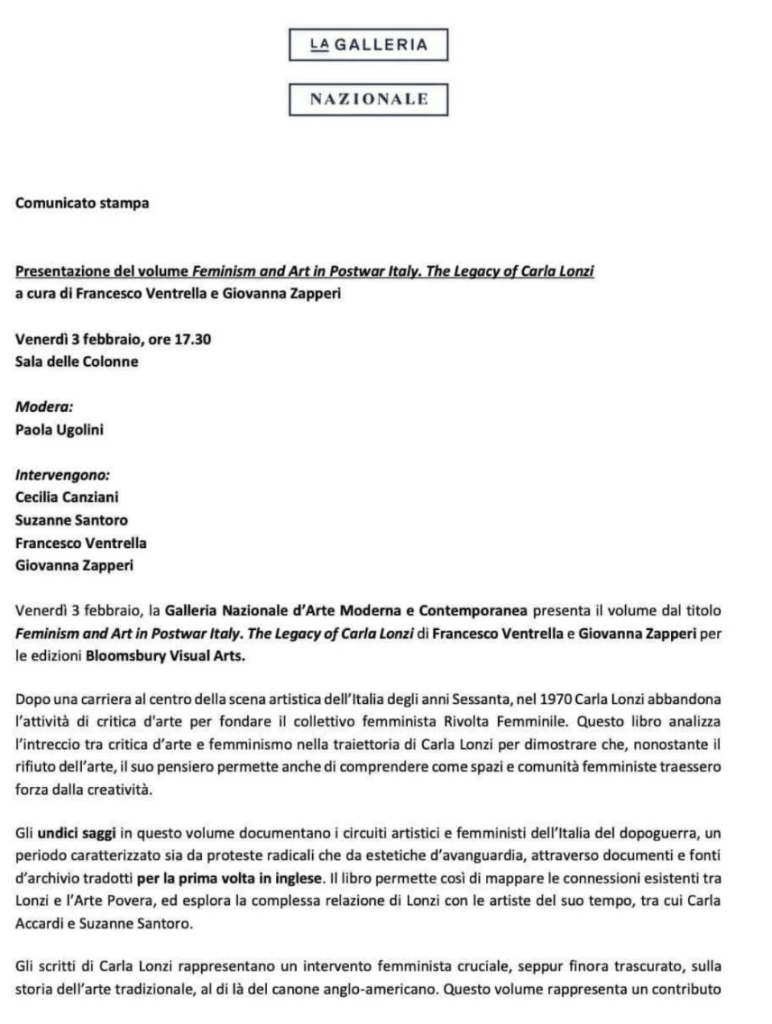
GNAM- Presentazione del libro “Feminism and Art in Postwar Italy. The Legacy of Carla Lonzi”
VENERDÌ 3 FEBBRAIO PRESSO GALLERIA NAZIONALE D’ARTE MODERNA E CONTEMPORANEA – Roma
-
Then and Now / Allora e Ora
Suzanne Santoro’s talk at Centro anti violenza, Erinna, Vt. 2019
Initiation song sung by the elder women as they cut off the clitoris of a young girl: “Once we were companions, I now give you orders, because I am a man, you see – and I have a knife and I will operate on you. Your clitoris, so jealously kept, I will tear it off and throw it to the ground, because I am a man, today. I have a heart of stone: otherwise I couldn’t do this. After, they will treat the wounds and so I will know many things: those who have been treated for the wounds and those who have not”.
Ritual song sung by the young girls: “Don’t talk to me like this, sisters, my heart is fearful and I am terrified to death. If I could only fly away like a bird”.[1]
My Story Then.
I left New York City in 1968 fleeing from a mad and excessively sexual tutor from art school who I couldn’t get rid of. I had been in Rome a few years earlier with Mark Rothko and his wife as a nanny to their children. He was travelling in Europe with the Marlborough galleries. I had very little time to visit Rome. The trip turned out to be very distressing for me and shortly after Rothko committed suicide in New York. So, when I finished the School of Visual Arts, I was determined to go back to Rome, to stay! The tragic lives of artists and the art world had devastated me. I had to find a solution to being an artist and staying sane. It came! It wasn’t difficult to meet Carla Lonzi; she was part of the art world and an acclaimed avant-garde art critic who had just left the art world for radical feminism!
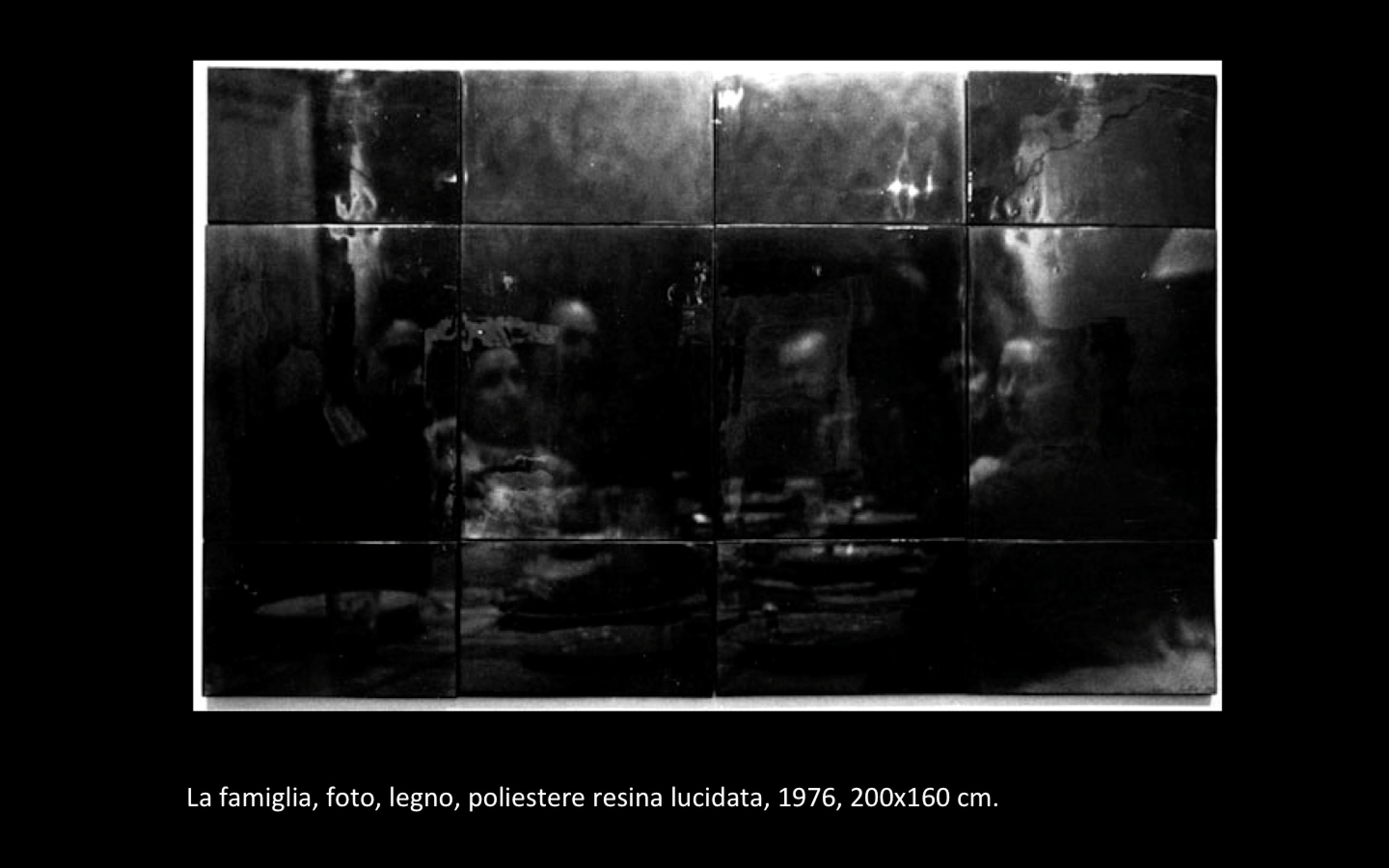
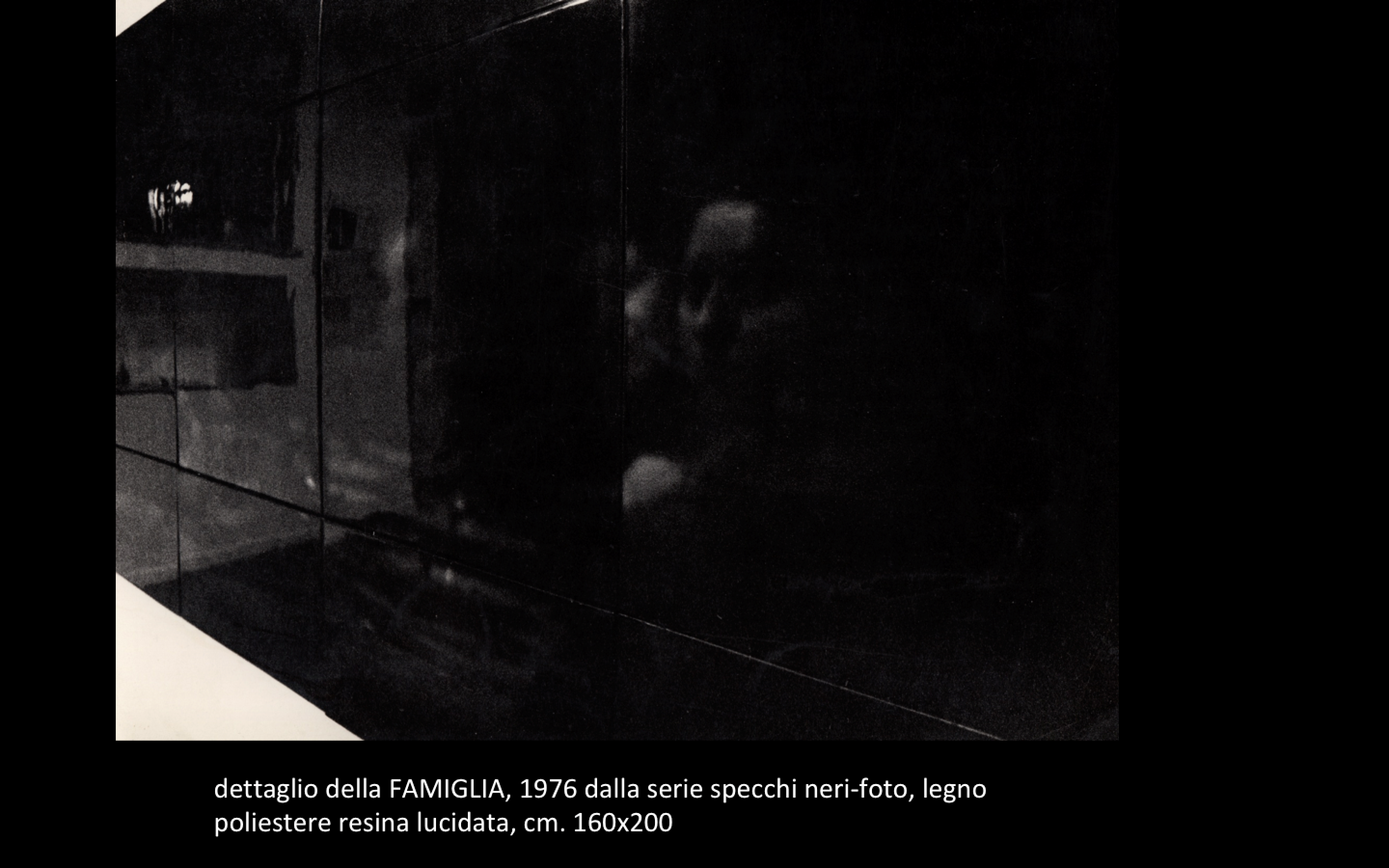
I joined her autocoscienza group Rivolta Femminile in 1971 until 1975 when the group in Rome broke up. I really needed a place where I could get some explanations to what had happened to me. With the Rivolta Femminile group in Rome I produced a booklet titled Towards New Expression. In the same years I started to make resin casts of my mount of Venus and other parts of my body. For years I worked on a Black Mirror series of self-portraits and other themes. Radical Feminism had given me a direction for my work without which I couldn’t have continued as an artist.[2] After Rivolta Femminile ended in Rome in 1975, some of us from the group started a women’s collective gallery showing contemporary women artists alternating with women artists from the past. In 1976 myself and 10 other women artists and art historians inaugurated the Cooperativa Beato Angelico with an unknown painting by Artemisia Gentileschi called The Aurora.[3]
The mid 1980s and 1990s proved to be a great delusion for radical feminism. There had been so many good changes and so much enthusiasm. I really thought it was all over. Also, things became difficult for me: a marriage break up, working full time to support myself and studying to become a child art therapist. But I was always doing my art work and exhibiting mostly in alternative spaces, and never losing contact with radical feminist friends, theory, literature, philosophy… In recent years, mostly women art historians have begun to research about that moment; they were finally asking questions about feminism and art in Italy. They were particularly interested in Carla Lonzi and why she had become a very radical feminist and stopped being an art critic. How could she do this? Many feminists said she was a traitor to women artists! She had declared tabula rasa and a complete severing from male culture. This was truly a revelation! A way out!
Carla Lonzi was exceptional, almost entrancing, soft spoken with ‘hard’ ideas. I spent almost 5 years following her in the group of Rivolta Femminile. Italian feminism then and now gives great tribute to her.
Now
I have spent the last decades painting and mostly drawing. I’m greatly influenced by the Anti-Violence Center group I’ve been collaborating with for years. Our reading group has been covering a vast range of texts: the Neolithic studies of ‘Old Europe’ by the Lithuanian Archaeomythologist, (her term) by Marija Gimbutas, The Language of The Goddess (1989), the book of Genesis, The Malleus Malificarum (1487), a manual used by the Inquisition to put to trial and condemn witches and witchcraft, and was widely printed at the time even more than the bible! The list of our studies goes on and on…
The work of Marija Gimbutas is so important because she documents ‘Old Europe’ as a pre patriarchal, equalitarian and peaceful female empowered society that used iconographic female symbolism in a multitude of statues, ceramic vases, architecture and female royal burials… for thousands of years. She also writes of a Neolithic female based religion with a quasi-written language.
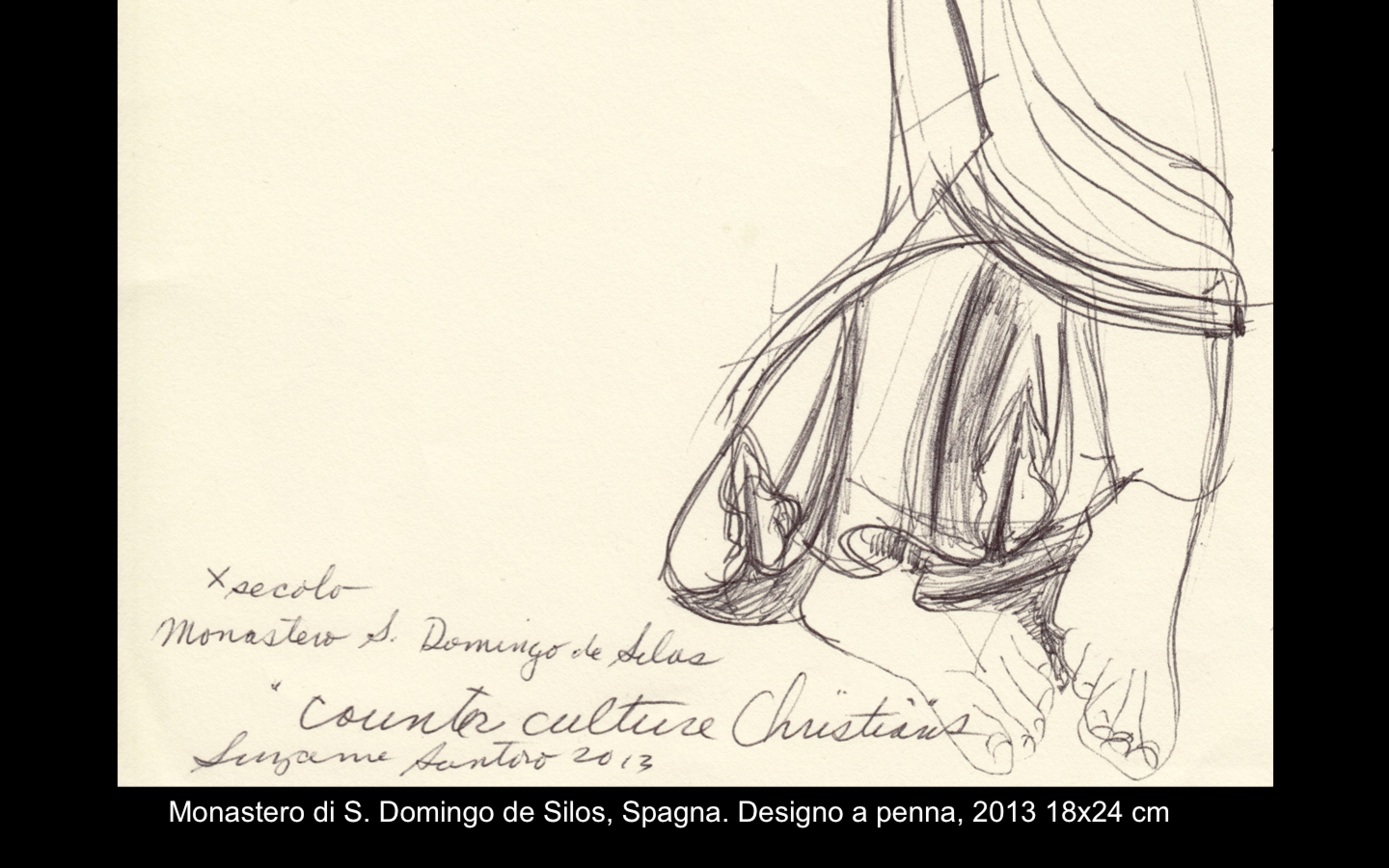
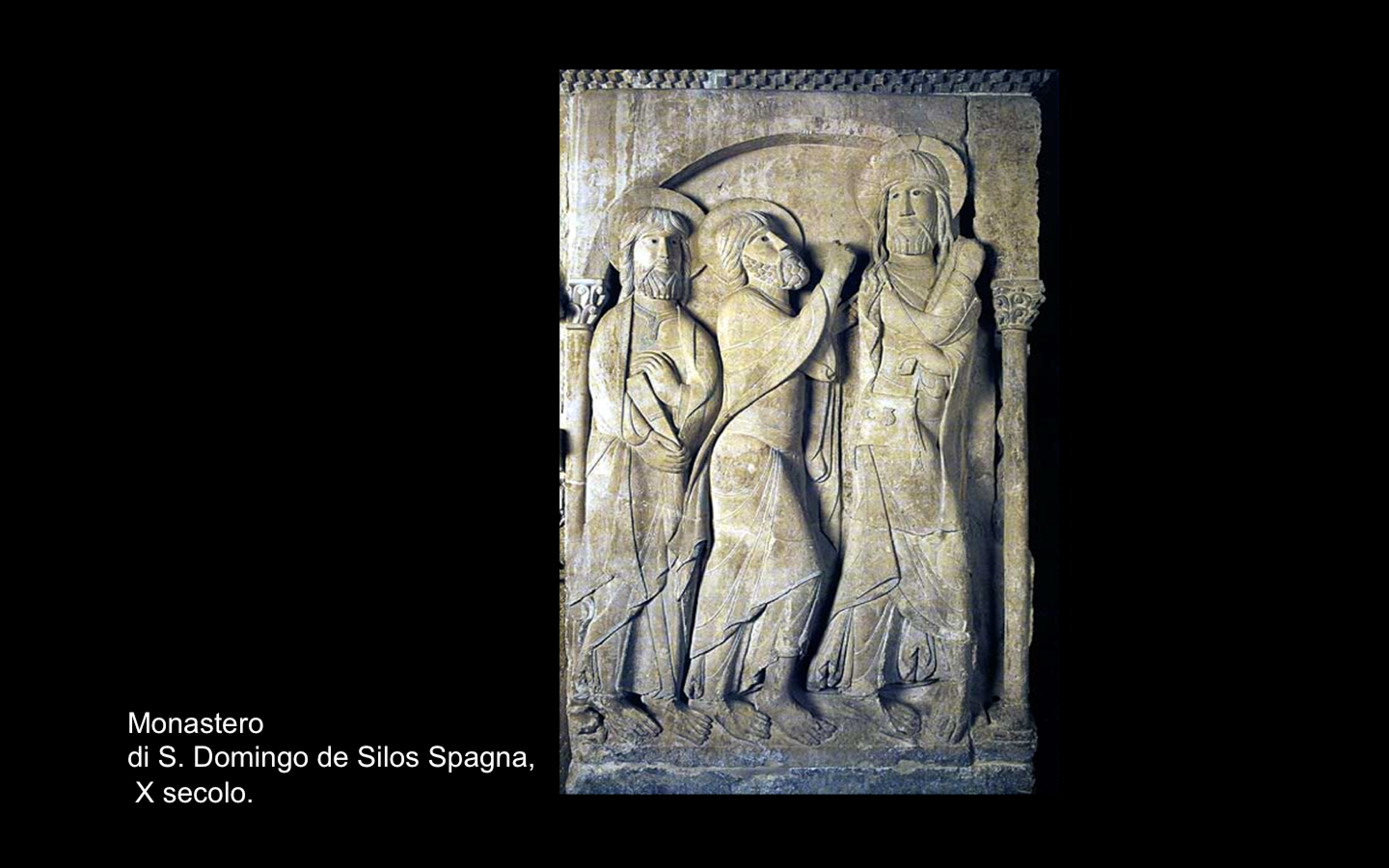
The premise for me is that this female iconography has never been lost, only hidden. I’ve been searching and making drawings from Medieval miniatures and through art history. One was Adam and Eve but the snake’s head was a dolphin’s head peering at Eve! This may refer to the original oracle performed by a young girl at Delphi. I titled my drawing To Pythia, Dear Delphi.
A list of other suppressed histories I’ve found and made drawings from:● Classical Greek vases with a woman painting on a vase.
● Groups of only women midwives tending women giving birth painted on Classical Greek vases.
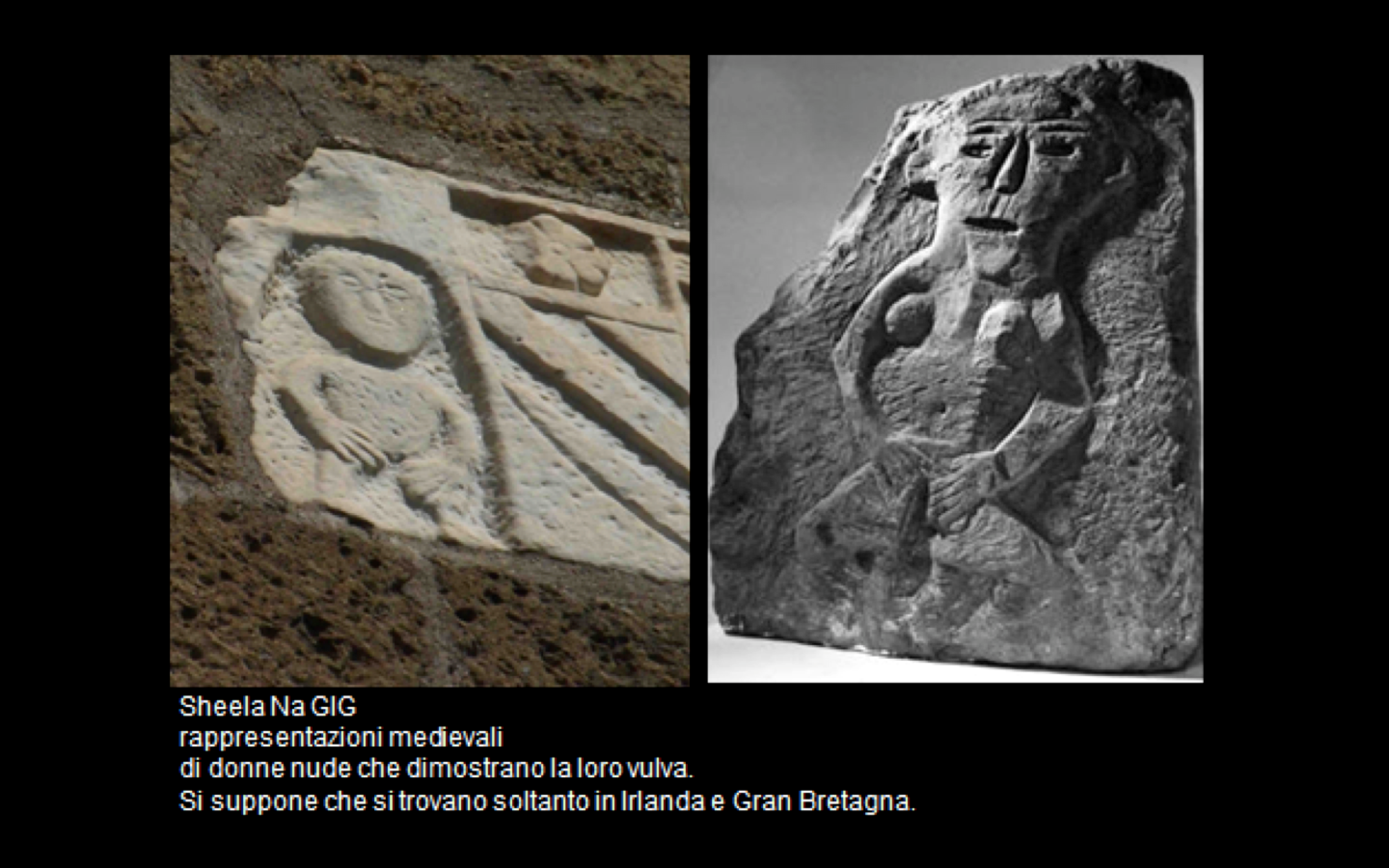
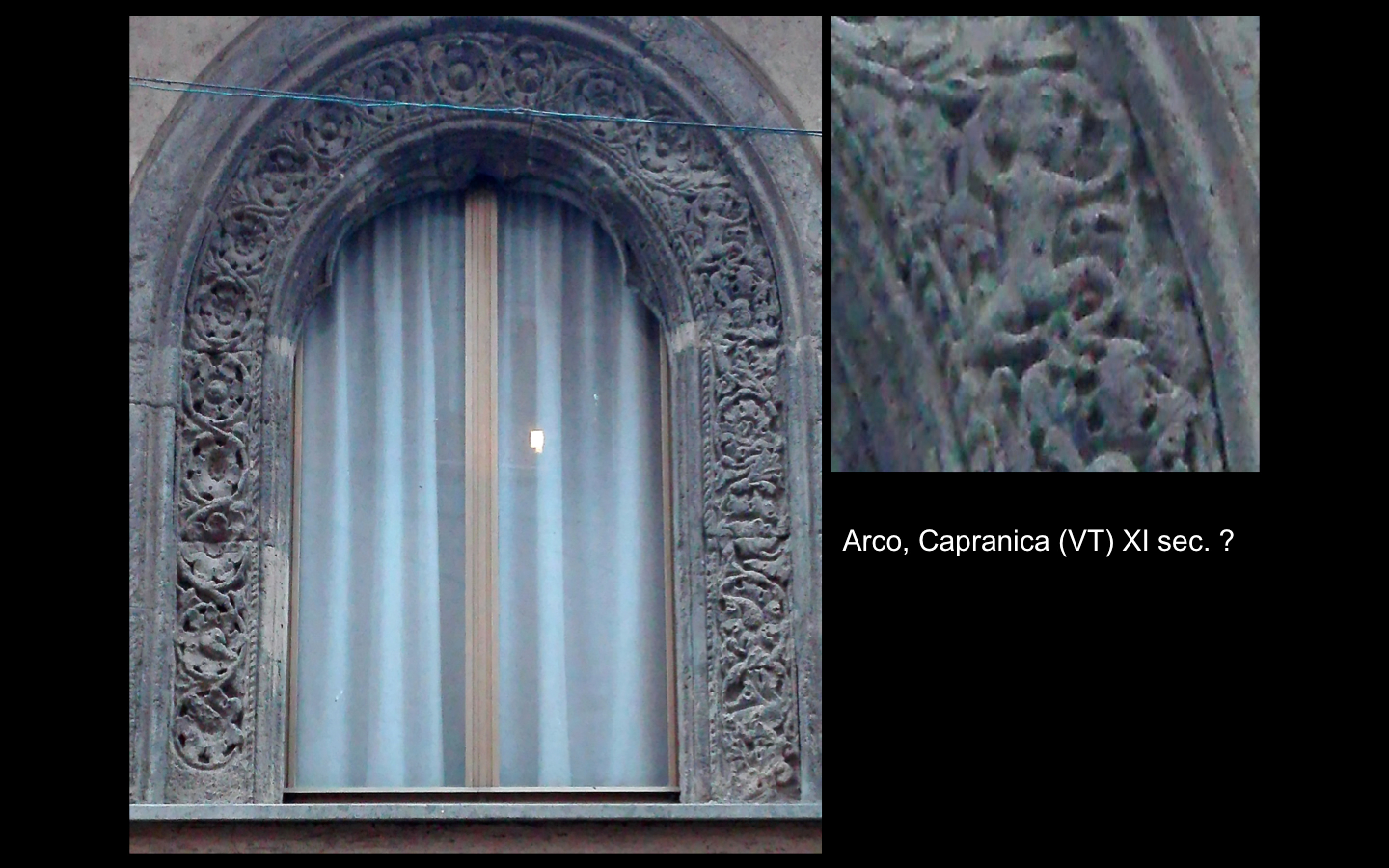
● I have found many hidden Sheela Na Gigs[4] in Medieval ornamental details on churches even in central and southern Italy.
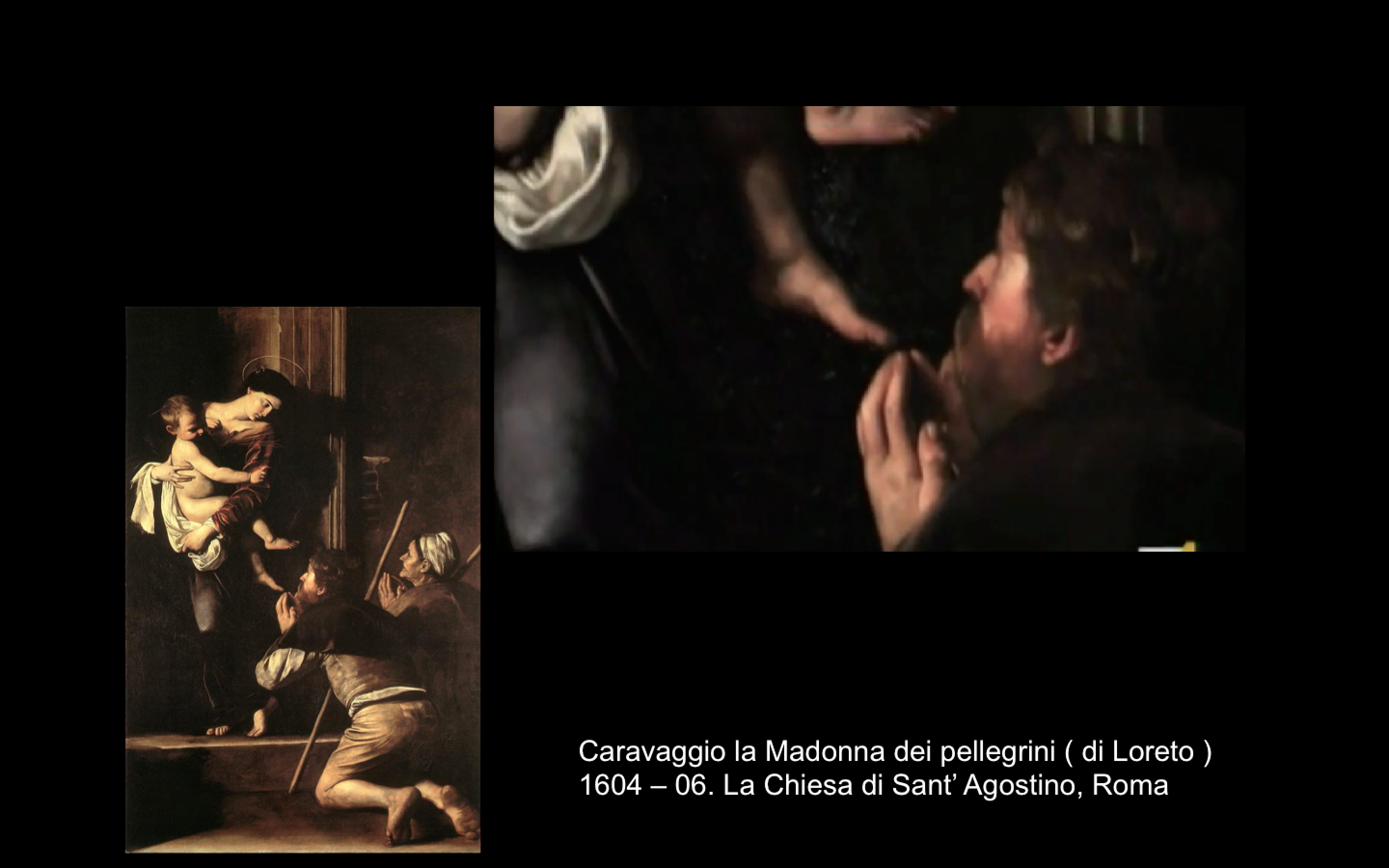
● There is the head of a black panther in the center of Caravaggio’s painting of the Madonna di Loreto (Madonna dei Pellegrini) (1604-6) in the church of Sant’Agostino in Campo Marzio. This area of Rome was home to a large temple dedicated to Isis, the great female Egyptian goddess of religion, Bastet. The Black Panther is a universal symbol of female power.
Original female iconography and symbolism has persisted right through patriarchy even when censored. The question is: Have the representations of the Sacred Female in all its profound symbolism been totally obliterated today?
I gave this talk at a conference at the opening of the exhibition Feminist Avant-Garde of the 1970s. Works from the Verbund Collection, The Photographers’ Gallery, London (October 2016), curated by Gabriele Schor who is the director of the Collection.
[1] Carla Lonzi, ‘The Clitoral Woman and The Vaginal Woman’, Rome: Rivolta Femminile, 1971.
[2] For details of my work of that period see Giovanna Zapperi, Carla Lonzi, Un’Arte della Vita, Rome: DeriveApprodi, 2017.
[3] See Katia Almerini, ‘The Cooperativa Beato Angelico. A Feminist Art Space in 1970s Rome’, Feminism and Art in Postwar Italy: The Legacy of Carla Lonzi, eds, Francesco Ventrella and Giovanna Zapperi, London: Bloomsbury 2020.
[4] Medieval sculptures of naked women displaying their vulva mostly found in Ireland and Great Britain. -
ZOOM TALK: “Stephanie Oursler 5 CUTS”
Suzanne Santoro’s talk with with Re:Re (Jonas von Lenthe, Verena Buttmann, Johanna Klingler, Max Stocklosa)
24/03/2022
5 CUTS is the first title from RE:RE. Re printed by Wirklichkeit Books, Berlin in 2021 (Original edition selfpublished by Stephanie Oursler).
Audio link: https://www.dropbox.com/s/61695xjvbfdsd17/Suzanne%20Santoro_Florida.mp3?dl=0






 suzannesantoro.com